New: our analysis tool now includes San Mateo County data
A data-driven analysis of obesity disparities across 370 census tracts reveals a stark east-west divide — and a roadmap for closing it.
Obesity affects up to 34% of residents in Santa Clara County's highest-burden neighborhoods - driving diabetes, cardiovascular disease, and depression, while compounding barriers to education and employment in communities already under structural stress.
Source: CDC PLACES (2025); U.S. Census Bureau, ACS (2019–2023); Random Forest Model (Test R² = 0.96)
New: Our tool now includes San Mateo County data →Using CDC PLACES 2025 data and machine learning across 370 census tracts, this research identifies the strongest predictors of obesity at the neighborhood level — and where the greatest need for intervention lies.
Depression, smoking, and housing insecurity predict obesity better than race, income, or education — even when both sets of factors are given to the model together. Mental health is an obesity intervention, not a separate concern.
SHAP Analysis · Random ForestAn east/west fault line runs through the county, with roughly a 5× gap in composite risk scores between the highest and lowest burden areas — where structural disadvantage compounds the cycle of chronic stress and poor health outcomes.
Composite Risk Score · 370 TractsTracts with the highest obesity have the lowest checkup and cholesterol screening rates. The communities that need preventive care most are getting it least — a critical equity finding with direct policy implications.
Care Gap · Equity FindingThe composite risk score — combining RF prediction, depression, smoking, housing insecurity, and care gaps — identifies where intervention resources are most urgently needed.
Source: CDC PLACES (2025); U.S. Census Bureau, ACS (2019–2023)
* Predominantly Hispanic and Vietnamese, lower-income communities where structural disadvantage and limited access to mental health and preventive care compound existing health inequalities.
Sample project · Alum Rock · Low Income Households · Minority Communities
3 census tracts
COMBINED FOCUS GUIDANCE
Prioritize culturally-competent Medi-Cal enrollment through community health workers and bilingual access to county social services — language access must accompany all financial assistance programs.
Launch peer navigation at trusted community sites. Depression at 19.3% is the leading driver of health risk here — addressing stigma and access barriers is the entry point.
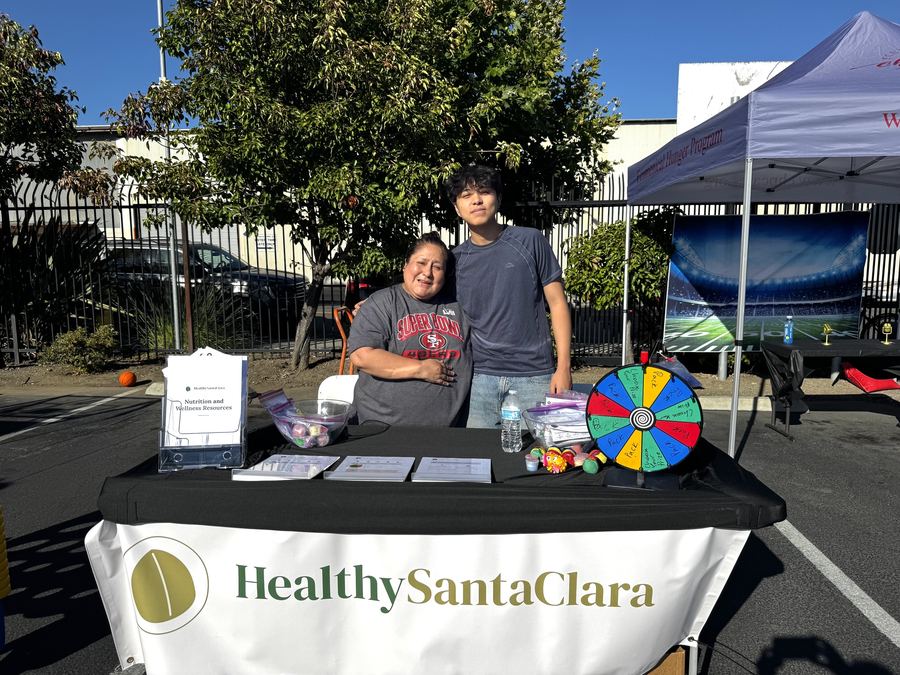
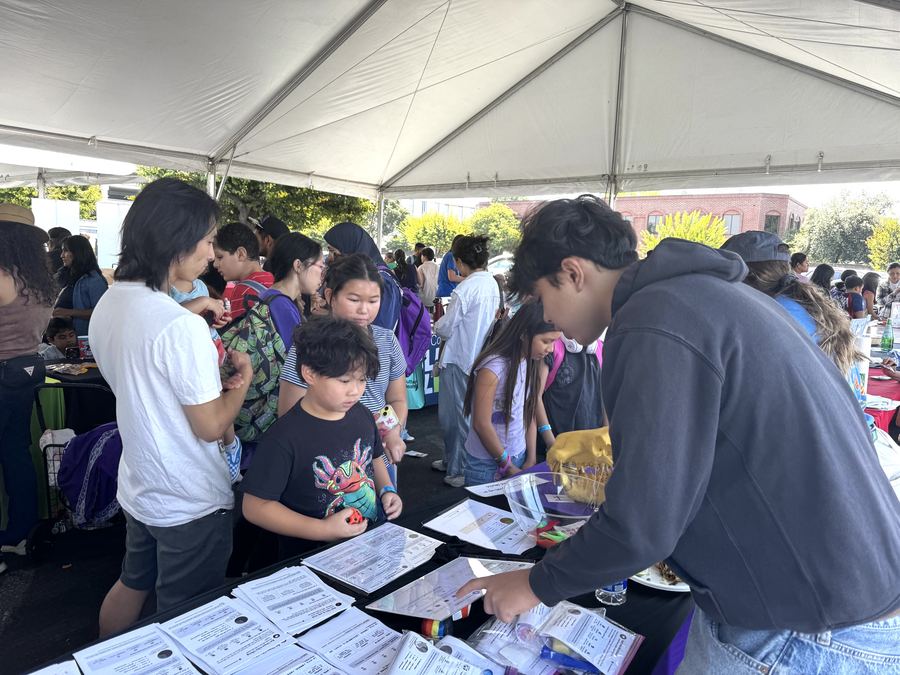
Alongside custom data-driven projects for community partners, we lead awareness and education efforts in three areas where the research shows the greatest need.
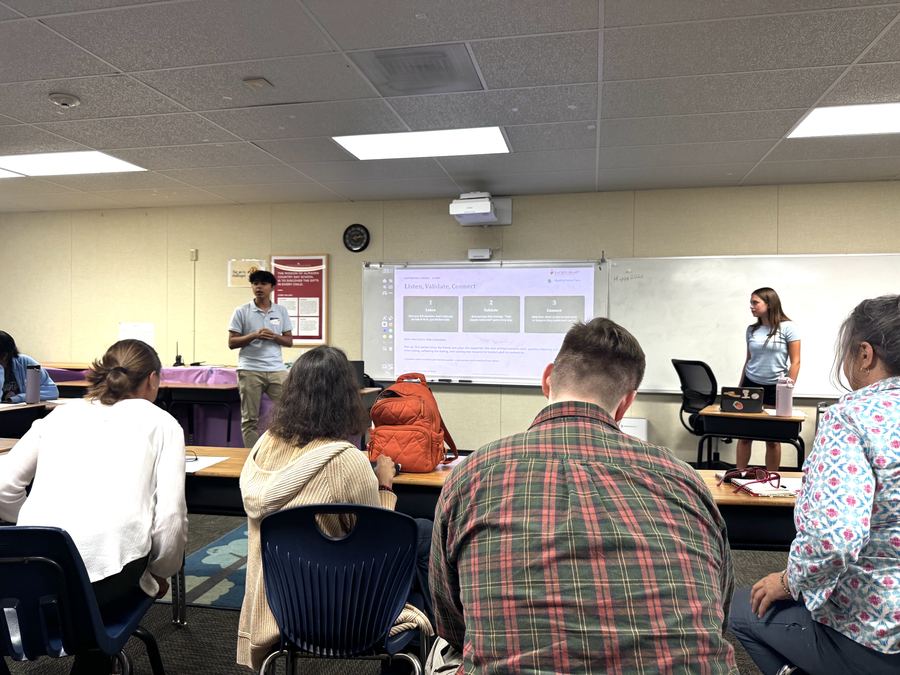
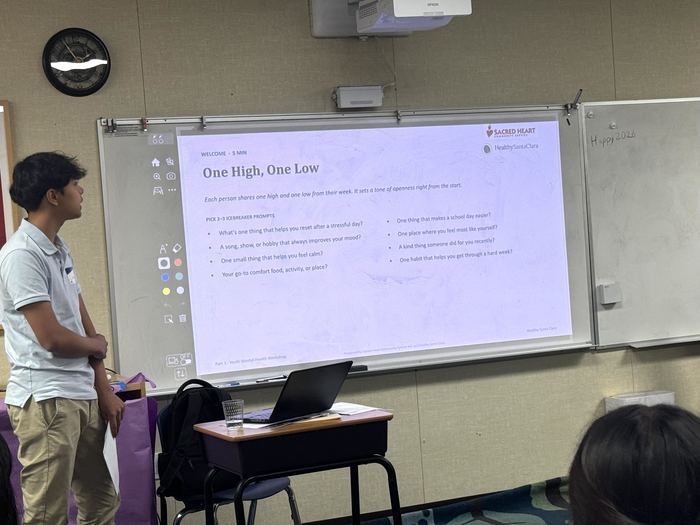
We hold youth mental health workshops with schools and community partners to raise awareness and reduce stigma. We also provide children with hands-on tools - including leaflets on recognizing emotions and breathing techniques - to build everyday skills that support mental wellbeing.
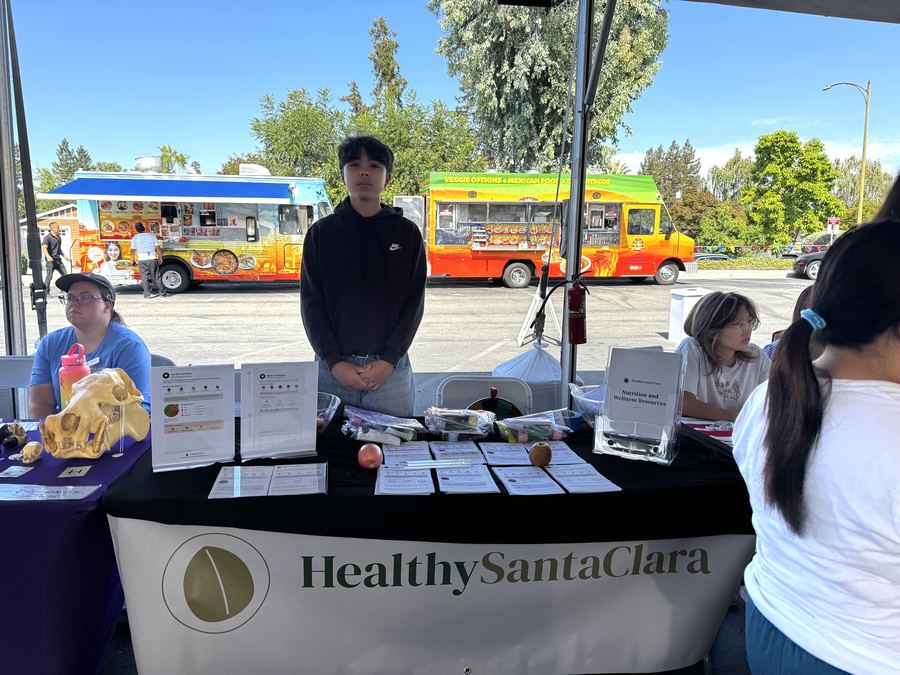
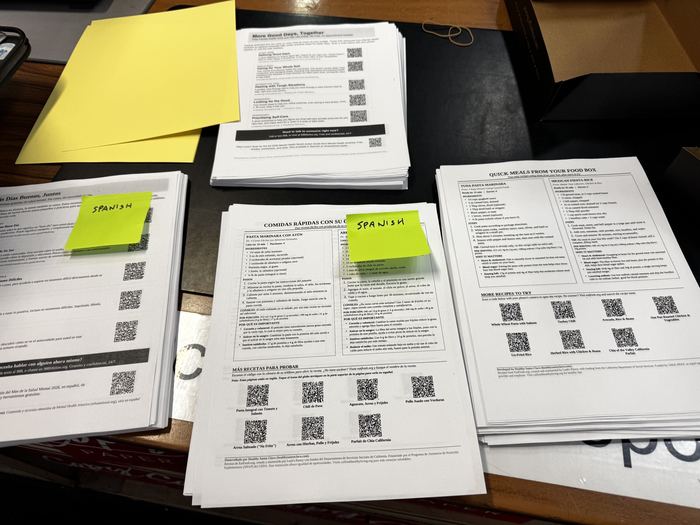
Food access and food literacy are distinct challenges. We partner with local organizations to deliver practical nutrition education in high-burden neighborhoods - equipping families with knowledge that makes a difference within the food environments they already live in.
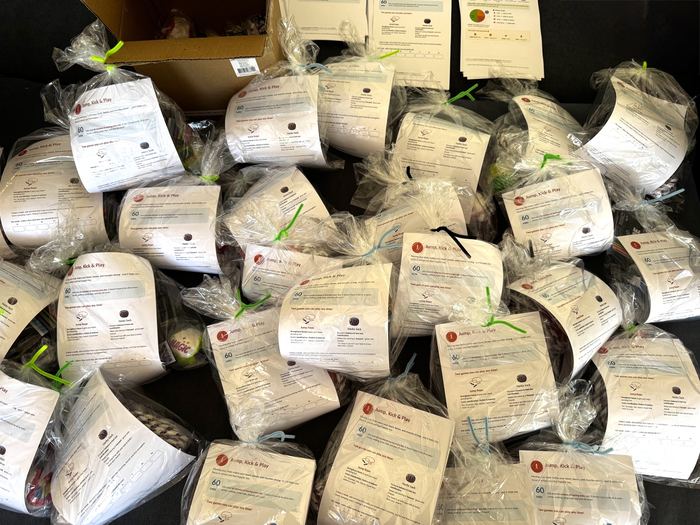
Physical inactivity is one of the strongest co-predictors of obesity in our highest-burden tracts. We support community campaigns that promote accessible, low-barrier movement - recognizing that safe outdoor spaces and motivation are not equally distributed across neighborhoods.
Community Organizations & Nonprofits
We work with local organizations to identify the highest-impact risk markers in your neighborhoods and design targeted, place-based interventions.
Partner with us →Government & Policymakers
Policy briefs and custom solutions for targeted investment in mental health, housing, and preventive care in the highest-burden tracts.
Partner with us →Media & Press
A 5× health gap, a youth researcher, and a roadmap for change. Press kit available on request.
Request the press kit →Henri Smit is a community service leader and AI & data science practitioner with a deep passion for healthcare, public health, and the power of data to drive meaningful change in underserved communities.
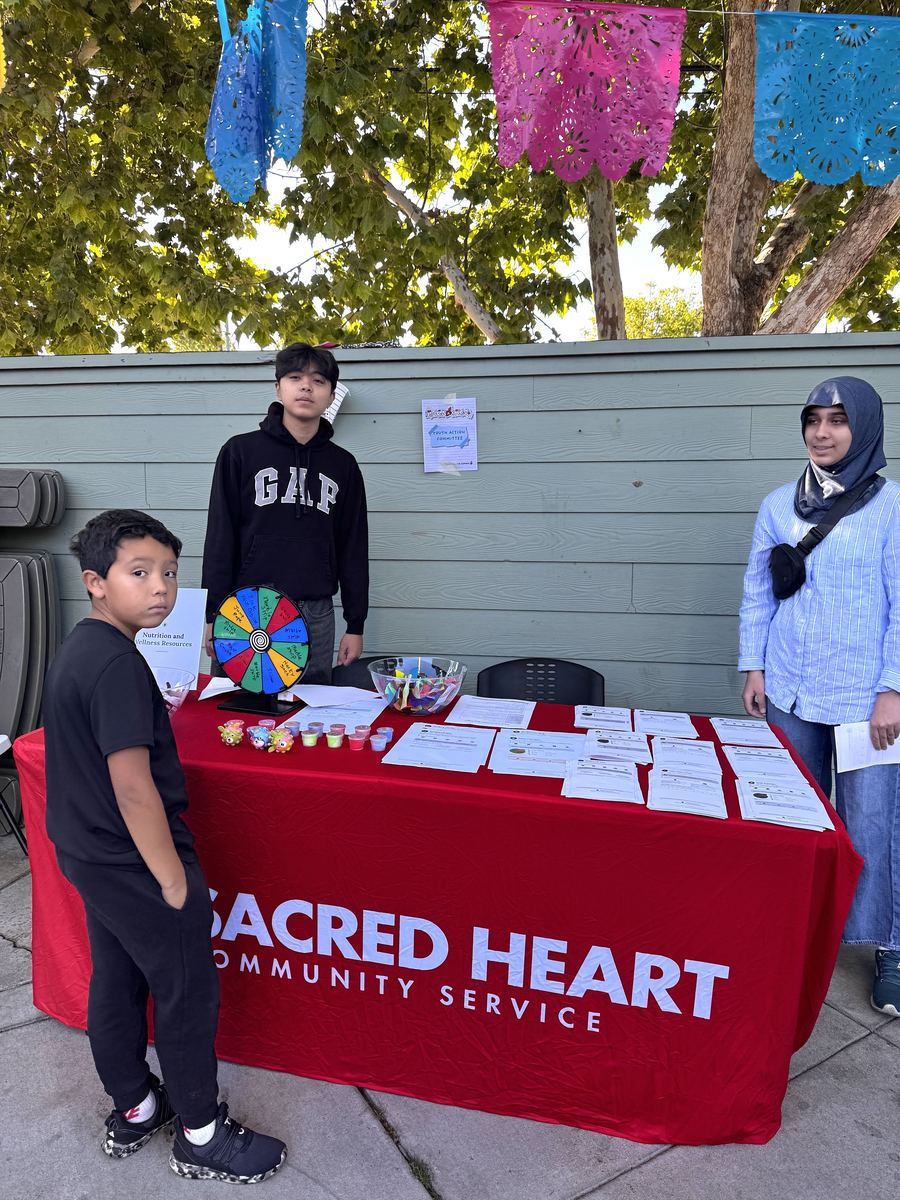
This research grew out of Henri's role on the Youth Action Committee at Sacred Heart Community Service and his belief that data literacy is one of the most powerful tools available to the next generation of community advocates.
Whether you are a community organization, a policymaker, a journalist, or simply someone who cares about health equity in Santa Clara County — we would love to hear from you.